
Dentures: Types, Benefits, and Maintenance Tips
Types of Dentures
Depending on the number of missing teeth and the method of retention, dentures are classified into:
1. Complete (full) dentures
These are used in cases of total tooth loss in one or both jaws. They consist of a base that mimics the lost soft tissue and resorbed alveolar ridge, and artificial teeth custom-made for the patient. Complete dentures restore lip support, improve speech, and enable proper chewing.
2. Partial dentures
These are designed for patients who still have some natural teeth, but not enough to support a fixed prosthetic solution. They consist of a base that rests on the gums, retention elements (clasps), and stabilizing components. In addition to replacing missing teeth, partial dentures help preserve the remaining ones by preventing overloading and shifting.
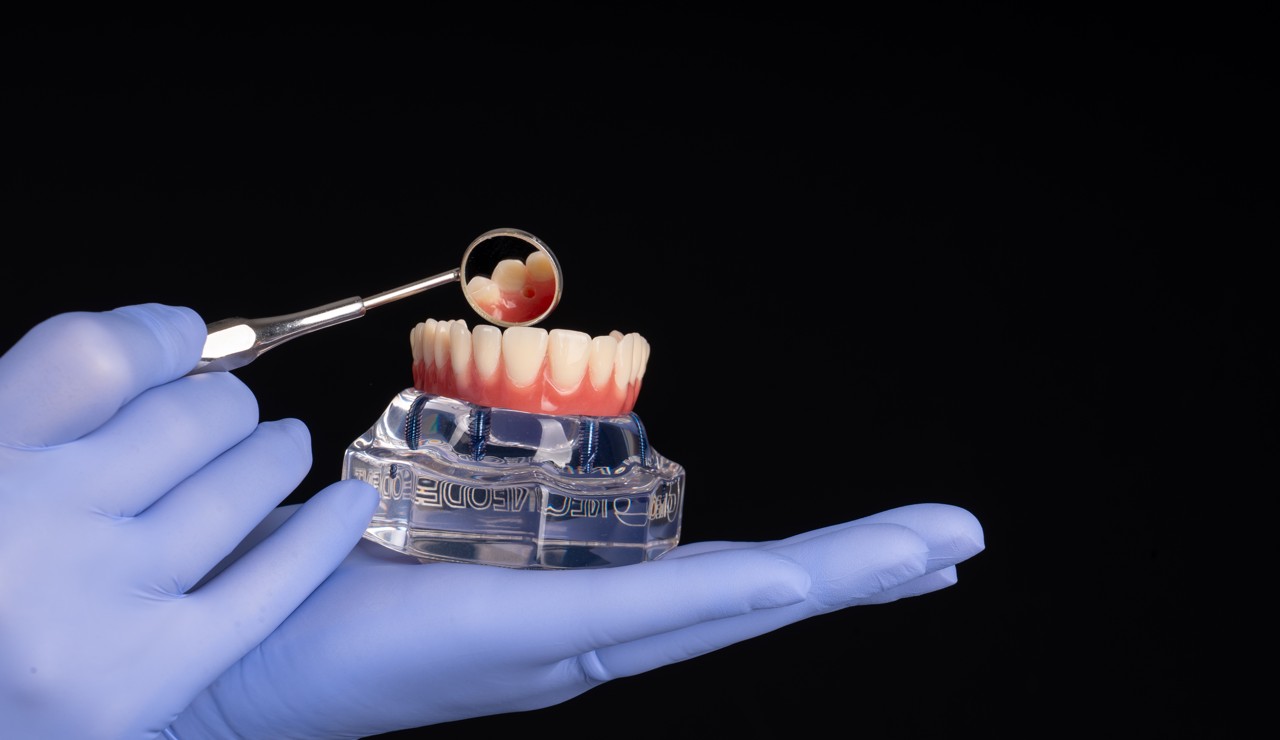
3. Implant-retained dentures (overdentures)
These are semi-fixed dentures anchored to 2 or more dental implants using bars or locator attachments. They provide exceptional stability, allow for confident chewing and speaking, and blend seamlessly with the natural appearance of the smile. They are easy to remove for cleaning, and the implants help prevent further bone loss in the jaw.
Denture Materials
Depending on the indication and patient preference, dentures can be made from different materials:
- Acrylic dentures – the most commonly used, lightweight, and budget-friendly, made of acrylic resin.
- Flexible plastic dentures – aesthetically pleasing and suitable for patients with sensitive gums.
- Metal (cast framework) dentures – have a metal base offering increased durability and a thinner, more comfortable design.
Benefits of Wearing Dentures
No matter the type, dentures offer numerous advantages:
- Affordable compared to fixed prosthetic solutions
- Restore the natural look of the smile and facial structure
- Enable comfortable chewing and speaking
- Replace lost soft tissue and support lips and cheeks
- Boost self-confidence and improve quality of life
How to Properly Maintain Your Dentures
To ensure long-term comfort, functionality, and appearance, it's essential to follow proper hygiene and care routines:
1. Daily cleaning
After every meal, rinse the dentures, and once a day, gently brush them with a soft toothbrush and a specialized denture cleanser. Avoid regular toothpaste as it may be too abrasive and damage the surface.
2. Oral hygiene
Take care of your remaining natural teeth, tongue, palate, and inner cheeks to maintain overall oral health.
3. Nighttime storage
It’s best to remove your dentures at night to give your gums a rest and prevent irritation. Store them in a container filled with water or a cleaning solution designed for dentures.
4. Regular dental check-ups
Routine visits to your dentist are important to check the fit of the denture, monitor the health of your oral tissues, and make any necessary adjustments.
Conclusion
Dentures are a reliable, functional, and aesthetically pleasing solution for those dealing with tooth loss. Whether complete, partial, or implant-retained, proper care and regular dental check-ups will ensure their longevity and significantly improve your daily comfort and confidence.
Author: Kurevija, DDS