
Why Is It Important to Prevent Tooth Decay?
Why is that?
In many cases, only the consequences of cavities are treated, while prevention is neglected. But prevention is the true foundation of long-term oral health.
How do cavities develop?
Cavities do not appear overnight – they are the result of a gradual process that begins with the buildup of dental plaque.
Plaque is a sticky film made up of food particles, saliva, and bacteria that forms on the teeth every day. At first, it is almost invisible, but over time it causes discoloration. Once it hardens and turns yellow, it becomes tartar – the perfect environment for cavities to form.
The first visible sign is usually a small change in color – a white, brown, or dark spot. If nothing is done at this stage, a cavity forms and bacteria penetrate deeper into the tooth, eventually reaching the pulp. This causes strong, persistent pain that requires immediate treatment.
Cavities in children and adolescents
Children and teenagers are especially vulnerable. Their teeth are still developing, and the mineralization of the hard tissues is not yet fully complete, making them more prone to damage. This is why dental visits should begin at an early age.
Later in life, in addition to cavities, periodontal disease may also develop, affecting the gums and bone – the structures that hold teeth in place. Together, cavities and periodontitis can lead to tooth loss, compromise the appearance of the smile, and impact self-confidence.
Prevention – the best medicine for cavities
The good news: in most cases, cavities can be prevented – but only if addressed in time.
The key lies in regular dental check-ups and proper oral hygiene at home.
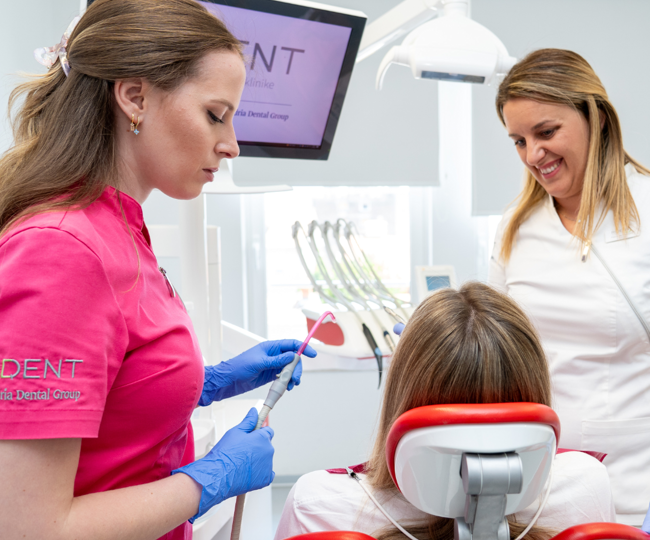
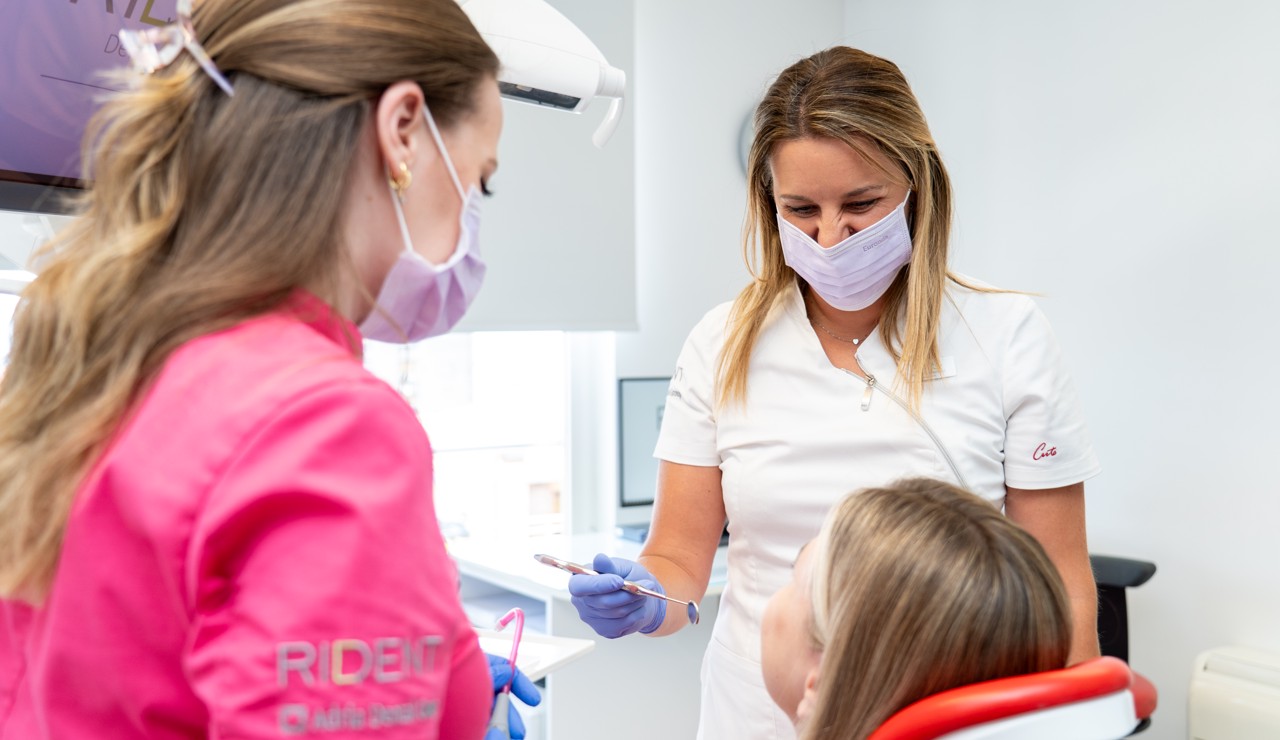
Regular visits to the dentist allow for:
- Early detection and timely treatment of cavities
- Assessment and monitoring of oral hygiene
- Removal of plaque and tartar that cannot be eliminated with brushing alone
- Professional guidance on proper brushing and oral care
- Prevention of complications, including infections and tooth loss
Dental visits are recommended at least twice a year, and more often for children – especially in cases of high cavity risk, orthodontic treatment, or special needs.
What can you do at home?
Prevention doesn’t stop at the dental office. It’s essential to build and maintain healthy habits at home:
- Brush teeth at least twice a day and use dental floss
- Use fluoride toothpaste
- Limit sugar and soft drinks
- Drink water after meals
- Encourage healthy eating habits from an early age
Conclusion: Prevention for a lifetime of healthy smiles
Tooth decay is not something to wait for – it is largely preventable.
Regular dental check-ups, professional cleaning, and daily oral care are the best protection against cavities and gum disease.
A healthy smile doesn’t happen on its own – it’s the result of proper care and timely decisions. Start with prevention today and secure a smile that lasts a lifetime.
Author: Miljković, DDS